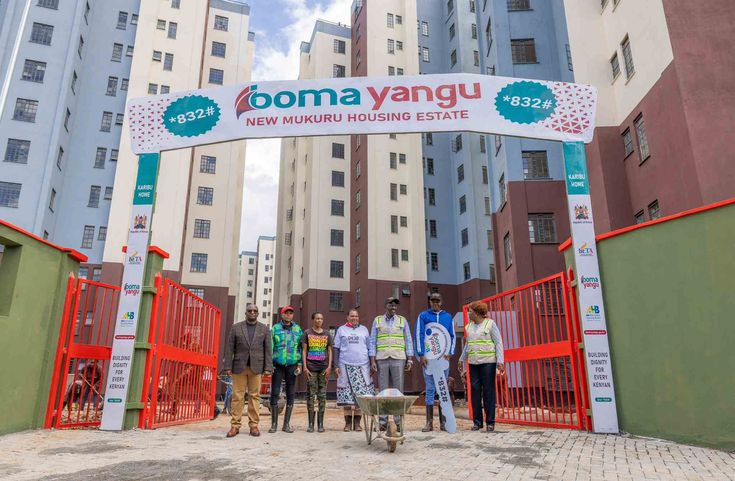
Kenya’s cities are growing fast. Nairobi, Nakuru, Eldoret, Kisumu, and Kiambu are all absorbing new residents every year as people move from rural areas in search of jobs, education, and opportunity. But the pace of urbanization has outstripped the pace of housing development, and the gap between demand and supply has turned “affordable housing” from a policy buzzword into a daily struggle for millions of Kenyans.
The Scale of the Problem
Kenya’s urban population is expanding by roughly 4% a year, one of the fastest rates in East Africa. Yet formal housing supply in urban centers has consistently lagged behind demand for decades. The result is predictable: overcrowded informal settlements, rising rent burdens, and a housing deficit that industry estimates place well into the hundreds of thousands of units annually.
For many families, this means spending a disproportionate share of income on rent, often in structures that lack secure tenure, reliable water, or proper sanitation. For young professionals and first-time renters, it means bidding wars for decent units in a handful of desirable neighborhoods, while landlords in less central areas struggle to fill vacancies because the properties are not well managed or marketed.
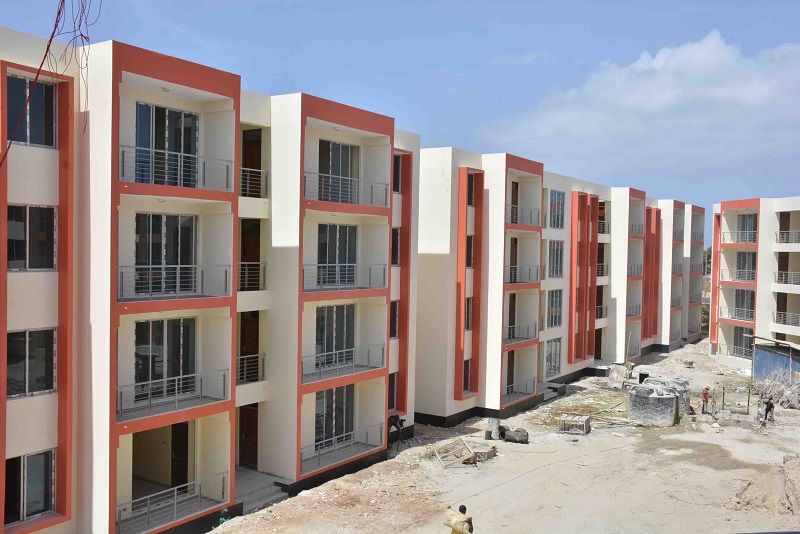
Why Affordable Housing Matters
1. Economic productivity. When people spend less of their income on housing, they have more to spend on food, education, healthcare, and small business investment. Housing costs that consume 40-50% of a household’s income leave little room for anything else, and that drag ripples through the broader economy.
2. Health and dignity. Overcrowded, poorly maintained housing is directly linked to higher rates of respiratory illness, waterborne disease, and stress. Affordable, well-managed housing is a public health intervention as much as it is an economic one.
3. Social stability. Secure, affordable housing gives families a stable base from which to plan their lives — enrolling children in nearby schools, building community ties, and investing in their immediate environment. Housing instability, by contrast, is one of the biggest disruptors of continuity in a child’s education and a family’s financial planning.
4. Urban development and investment. Cities with adequate affordable housing stock are more attractive to investors and employers, because a stable, housed workforce is a more productive one. Nairobi’s ambition to be a regional hub for finance, tech, and manufacturing depends in part on solving its housing gap.
Kenya’s Push Toward Solutions
The government’s Affordable Housing Programme, part of the broader Big Four and Bottom-Up Economic Transformation agendas, has aimed to deliver hundreds of thousands of new housing units through public-private partnerships, the Affordable Housing Levy, and dedicated financing vehicles like the Kenya Mortgage Refinance Company. Progress has been real but uneven, and the private rental market — where most Kenyans actually live — remains the backbone of urban housing.
This is where efficiency in the existing rental market matters just as much as new construction. A significant portion of Kenya’s “housing problem” isn’t just a shortage of units — it’s inefficiency in how existing units are managed, priced, and filled. Landlords lose money to arrears and vacancy gaps. Tenants lose trust when receipts are inconsistent or rent payment has no clear record. Both sides pay a hidden cost when property management is manual, informal, and opaque.
The Role of Technology in Making Housing Work Better
Digital property management tools are increasingly part of the affordability conversation — not by lowering construction costs, but by making the housing that already exists work harder for both landlords and tenants. Automated rent collection through M-Pesa and bank integrations reduces the friction and delay that leads to arrears. Real-time reporting and tenant management systems help landlords catch problems early instead of losing months of income to disputes or vacancies. And tenants benefit from transparent records — clear receipts, visible payment history, and a documented trail even for offline transactions.
Platforms like Rent Hero Kenya, live in Nairobi, Nakuru, Eldoret, Kisumu, and Kiambu, are built around this idea: that better management of the housing stock we have is a meaningful lever for affordability, alongside the harder, slower work of building more units. When landlords spend less time chasing payments and more time maintaining their properties, and tenants have a reliable, transparent relationship with their landlord, the whole rental ecosystem becomes more efficient — and more affordable — for everyone in it.
Looking Ahead
Solving Kenya’s housing challenge will take sustained investment in new construction, smarter urban planning, and continued reform of financing mechanisms. But it will also take smarter use of the housing stock that already exists. Affordable housing isn’t only about the number of units built each year — it’s about whether the units we have are well managed, fairly priced, and accessible to the people who need them.
For landlords, tenants, and policymakers alike, closing Kenya’s affordable housing gap is not just a construction challenge. It’s a management challenge, a technology challenge, and ultimately, a shared responsibility for building cities where everyone has a stable place to call home.