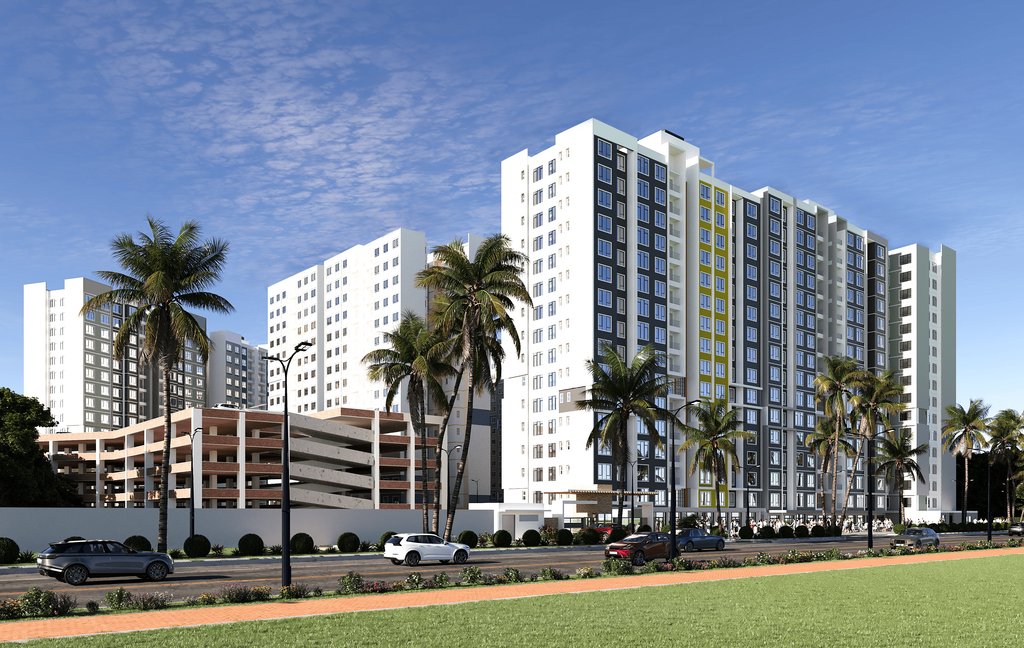
Ask anyone from the lakeside city what they call home, and you’ll hear a mix of names — Kisumo, Dala, Yurop. Each carries its own bit of history, but they all point to the same place: a city that has quietly become one of Kenya’s most exciting property markets outside Nairobi.
Kisumu began life as a British railway stop in 1901, back when it was still known as Port Florence. Over a century later, it’s grown into the third largest city in Kenya and a recognised transport hub for the wider East African region. What’s changed more recently is the pace at which that legacy infrastructure is being matched by new investment — in housing, hospitality, and commercial space.
What’s Driving the Boom
A few forces are converging to push Kisumu’s property sector forward.
Tourism is pulling in hospitality investment. Kisumu sits on Lake Victoria, and it’s one of only two places in East Africa where you can watch the sun set over open water without being on the coast. Between wildlife viewing, boat rides, fish dishes, and the city’s deep Luo cultural heritage, tourism has become a steady driver of demand for holiday homes, hotels, and short-let apartments.
The city’s location keeps paying off. Kisumu is a genuine multi-modal hub, connected by road, rail, and Kisumu International Airport. That connectivity makes it easy to move people and goods in and out of the region, which in turn makes land and buildings there more attractive to investors who might otherwise stick to Nairobi or Mombasa.
Infrastructure spending keeps landing. Over the past decade, the city has seen a revived railway line, an upgraded port, the construction of Jomo Kenyatta International Stadium, and airport upgrades to international standard, among dozens of other projects. Kisumu has also been designated a Special Economic Zone, positioning it as a future hub for manufacturing and processing — the kind of designation that tends to pull commercial and residential development along with it.
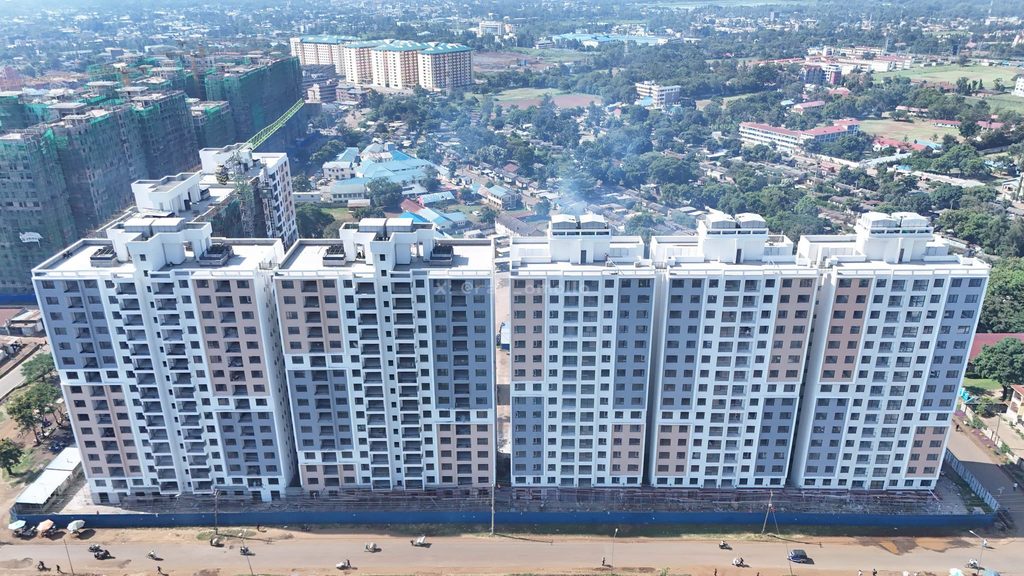
Urban renewal is reshaping older estates. This isn’t just talk about future potential — it’s happening now. Kisumu County government has launched an urban regeneration programme to replace ageing housing stock with modern high-rise blocks, starting with a project in Milimani estate built in partnership with the National Social Security Fund that will add 162 modern apartments across nine floors. Similar redevelopment is underway or planned in estates including Lumumba, Makasembo, Anderson, Arina, Mosque, Shaurimoyo, Kibuye, and Muhoroni, some of it backed by UN-Habitat. That’s a meaningful signal: when county government and international partners start replacing old housing stock at scale, it usually means more formally managed rental units are coming onto the market, not fewer.
Zoom out to the national picture and the momentum makes sense. Kenya’s construction market is projected to grow 7.5% in 2026 to reach KES 1.02 trillion, building on an 11.2% compound annual growth rate between 2021 and 2025. Secondary cities like Kisumu, Nakuru, and Eldoret are increasingly where that growth is landing, as Nairobi’s prime suburbs become more saturated and expensive.
What This Means for Landlords and Property Managers
Growth is good news, but it comes with a management problem. As Kisumu adds more formally built apartment blocks and gentler-managed estates, landlords who are used to running a handful of units by memory — tracking rent in a notebook, chasing tenants over the phone, reconciling M-Pesa messages by hand — start to feel the strain. A 9-storey block with 162 units, or even a modest 20-unit compound, doesn’t run well on ad hoc systems.
This is exactly the gap Rent Hero was built to close. As Kisumu’s rental stock modernises, the tools landlords use to manage it need to modernise too — automated rent collection over M-Pesa and bank channels, real-time occupancy and arrears reports, digital leases and notices, and a tenant app that lets renters pay, view receipts, and raise requests without a phone call. For landlords entering Kisumu’s market for the first time, or existing owners scaling up as redevelopment projects complete, that kind of visibility is the difference between a rental property that pays for itself and one that quietly bleeds cash through missed payments and guesswork.
Kisumu’s rise isn’t a passing trend — it’s the result of tourism, transport, infrastructure spending, and deliberate government investment lining up at the same time. The city’s property market is growing up. The way it’s managed should too.