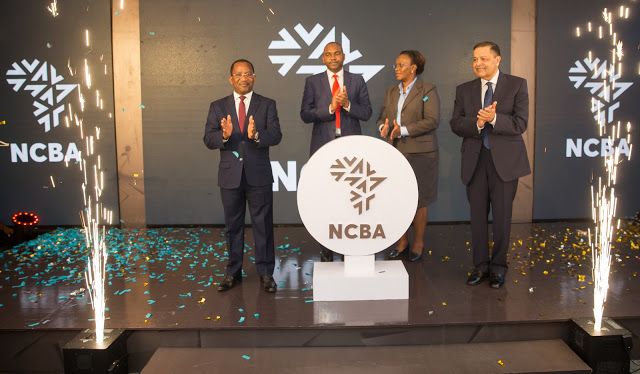
NCBA Bank has just thrown its weight behind a new idea for how Kenyans buy, build and finance homes. The lender has launched PropertyDuka, billed as East Africa’s first AI-native property ecosystem — a single platform meant to bring property search, financing, construction, furnishing and even protection under one digital roof.
It’s an ambitious move, and a telling one. To understand why, you have to look at the numbers behind it.
The gap PropertyDuka is trying to close
Kenya’s property sector moves more than Sh1 trillion a year. That’s a market most banks would love a bigger slice of. Yet mortgage penetration in the country remains strikingly thin — only around 30,000 active mortgages exist nationally, a tiny number for a population this size and an economy this active.
The result? Roughly 79 percent of urban Kenyans rent rather than own. Homeownership, for most people in Nairobi, Kisumu, Eldoret, Nakuru and beyond, is still the exception rather than the rule.
PropertyDuka is NCBA’s answer to that gap. By stitching together financing, building and property services with AI-driven convenience, the bank is betting it can make the path from “renter” to “owner” shorter and less painful than it’s traditionally been.
Why this matters even if you’re not buying a house
Here’s the thing worth sitting with: even if PropertyDuka works exactly as intended, and even if it moves the mortgage-penetration needle in a meaningful way, Kenya’s rental market isn’t going anywhere for a very long time.
Homeownership pipelines take years to shift a population’s habits. Mortgages need income stability, collateral, credit history and patience — none of which arrive overnight, no matter how good the technology behind the application process gets. In the meantime, that 79 percent of urban Kenyans who rent today will still be renting next year, and the year after that. New graduates, young families, and workers relocating for jobs will keep flowing into rental units before they ever qualify for a mortgage, AI-assisted or not.
In other words: big fintech-meets-proptech launches like PropertyDuka are a sign the property sector is maturing and digitizing — and that’s good news for everyone in it, landlords included. But they’re a long game aimed at ownership. The rental market is the here-and-now reality for the overwhelming majority of Kenya’s urban population.
What this means for landlords right now
If anything, the arrival of AI-enabled platforms in Kenyan real estate is a signal landlords should read closely — not as competition, but as a preview of what tenants and property owners alike will soon expect as standard: fewer manual processes, faster payments, cleaner records, and less friction all around.
That expectation doesn’t stop at the point of financing a home. It extends to how rent gets collected, how leases are tracked, and how landlords manage properties they may never have digitized before.
This is exactly the gap Rent Hero exists to close on the rental side of the market. While platforms like PropertyDuka are digitizing the road to ownership, Rent Hero is digitizing the day-to-day of renting — automated rent collection via M-Pesa and bank integrations, real-time reports, tenant management, automatic invoicing and receipts, and arrears tracking with automated reminders, all from one dashboard. It’s the same underlying shift: Kenya’s property sector, from acquisition to occupancy, is going digital. Landlords who adapt now — even the ones who find new technology intimidating at first — will be the ones best positioned as tenant and market expectations rise.
The headline may be about homeownership. But the real story is that Kenya’s entire property ecosystem, rented and owned alike, is being rebuilt for a more connected, less paper-based future. Rent Hero is built for the renting half of that future — today.